EVA Case vs Plastic Case: Why Modern Brands Prefer EVA Packaging
Discover the key differences between EVA cases and plastic cases. Learn why EVA offers better protection, lighter weight, greater customization, and a more premium look.
EVA CASE BUYING GUIDES
Casero
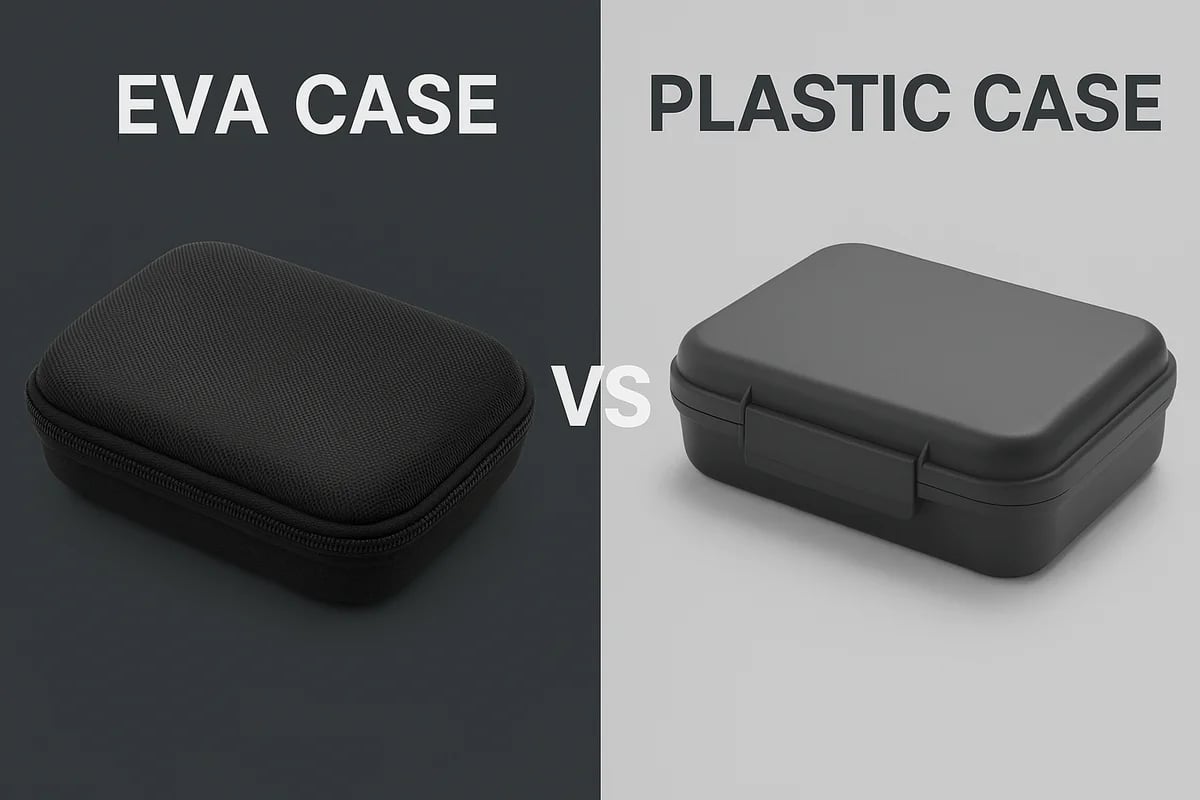
When companies design protective packaging for electronics, tools, or consumer products, one common question arises: should they use a plastic case or an EVA case?
Plastic cases have been used for decades and are still common in industrial packaging. However, many modern brands are now switching to EVA protective cases because they offer better customization, lighter weight, and a more premium product experience.
To understand why this shift is happening, let's compare EVA cases and plastic cases from a practical product development perspective.
Plastic Cases: Traditional Protection
Plastic cases are usually produced through injection molding. They have a rigid shell structure that can provide strong physical protection.
Because of their hardness, plastic cases are often used for heavy tools or equipment that require a solid container.
However, plastic packaging also has some limitations:
• heavier weight
• less flexibility in design
• higher mold development cost
• limited interior customization
For modern consumer products, these limitations can reduce both usability and visual appeal.
EVA Cases: Flexible and Lightweight Protection
EVA cases are produced using thermoforming technology, which allows the material to be molded into protective shapes while maintaining flexibility.
EVA (Ethylene-Vinyl Acetate) is widely used in protective packaging because it provides a good balance between lightweight structure and shock absorption.
Unlike rigid plastic shells, EVA material helps absorb impact energy and reduce the risk of damage to sensitive products such as electronics or precision instruments.
Understanding EVA Cases
Greater Customization Flexibility
One major advantage of EVA cases is their flexibility in product design.
Because EVA cases are molded and assembled with layered materials, manufacturers can easily adjust the interior layout to match specific product shapes.
Common interior options include:
• molded EVA compartments
• foam inserts
• mesh pockets
• elastic straps
• accessory dividers
This flexibility allows brands to design cases that perfectly organize both the main product and its accessories.
Common EVA Case Structures Explained
Better Branding and Product Presentation
Packaging today is not just about protection. It is also part of the overall brand experience.
EVA cases allow brands to create a more premium appearance compared with generic plastic containers.
The exterior surface can use different materials such as:
• Oxford fabric
• PU leather
• textured fabric
• custom printed surfaces
Logos can also be added through embossing, rubber patches, screen printing, or metal badges.
These features make EVA cases suitable not only for protection but also for retail packaging and brand presentation.
More Cost-Efficient for Product Development
Another important factor for brands is development cost.
Plastic cases require injection molds, which are usually expensive and difficult to modify once created.
EVA cases use thermoforming molds, which are typically more affordable and easier to adjust during product development.
This makes EVA cases especially attractive for:
• new product launches
• small and medium production runs
• products that require frequent design updates
For many brands, EVA packaging provides a better balance between protection, flexibility, and cost.
When Plastic Cases Still Make Sense
Although EVA cases offer many advantages, plastic cases can still be the better choice for certain situations.
For example:
• extremely heavy equipment
• industrial storage applications
• situations requiring a fully rigid container
In those cases, plastic cases may still provide the necessary structural strength.
However, for most consumer electronics, accessories, and portable equipment, EVA cases offer a more modern and practical packaging solution.
Conclusion
Both EVA cases and plastic cases can provide product protection, but they serve different purposes.
Plastic cases focus on rigid industrial protection, while EVA cases combine protection, customization, lightweight design, and brand presentation.
Because of these advantages, many modern brands are choosing EVA packaging for electronics, tools, medical devices, and consumer accessories.
If your company is looking for a protective and customizable packaging solution, EVA cases can provide a flexible and professional option.
If you want to develop custom EVA cases for your products, you can also read our complete guide on how to customize EVA cases for brands and manufacturers.
Would like to have custom eva case? Please Contact Us